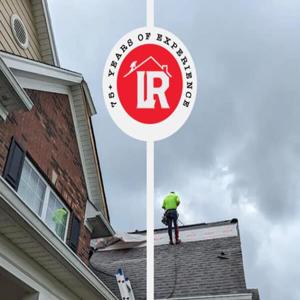
The transition to residential solar energy is a mathematically sound investment for many households, offering long-term relief from fluctuating utility costs. However, placing a highly sensitive, heavy piece of electrical generation equipment on top of a house requires far more than just a sunny location. The physical structure supporting the photovoltaic array must be mechanically perfect. A solar installation is only as secure as the foundation it rests upon, and ignoring the condition of the underlying materials before proceeding with a renewable energy upgrade is a costly, preventable error. We must examine the specific physical requirements that make an installation viable.
The primary technical consideration is the synchronization of lifespans. High-quality photovoltaic panels are engineered to operate efficiently for twenty-five to thirty years. Conversely, standard asphalt shingles generally provide reliable protection for roughly twenty years under normal weather conditions. If you install a brand-new solar array over materials that are already ten years old, you are creating a mathematical certainty of future disruption. When those older shingles eventually fail, you will be forced to pay a specialised crew to completely dismantle the solar array, pay a separate crew to replace the underlying materials, and then pay the solar technicians once again to reinstall and recalibrate the system.
This financial double-payment completely erodes the economic benefits of generating your own electricity. The only mathematically sound approach is to ensure that the protective exterior layer has an expected lifespan that matches or exceeds the lifespan of the solar hardware. This often means undertaking a complete material replacement immediately prior to the solar installation. It is a significant upfront capital allocation, but it guarantees uninterrupted power generation and prevents forced, expensive dismantling procedures down the line. It aligns the depreciation schedules of both assets perfectly.
Weight distribution and structural load-bearing capacity represent another strict physical requirement. A standard residential solar panel, complete with its heavy aluminium mounting racking and micro-inverters, adds approximately three to four pounds of dead weight per square foot to the structure. While most modern homes are framed to handle this additional load, older properties or homes with existing structural sagging may require immediate reinforcement. The wooden rafters and the plywood decking must be completely free of rot, moisture damage, or delamination. Even a minor weakness in the decking compromises the holding strength of the heavy lag bolts used to anchor the system.
Wind uplift calculations become significantly more complex once panels are introduced to the environment. The panels sit a few inches above the surface, creating a narrow channel where high-velocity winds can become trapped, generating massive aerodynamic lift. The mounting hardware must resist this upward pulling force, which transfers directly into the underlying rafters. Before any brackets are attached, a competent Roofer Louisville KY must verify that the existing sheathing is fastened correctly to the trusses and that there are no underlying weaknesses that could lead to a catastrophic detachment during a severe storm.
Finally, the integrity of the watertight seal must be guaranteed around the dozens of new penetrations created by the mounting hardware. Every single lag bolt driven through the materials represents a potential entry point for water. Proper installation requires specialised metal flashing techniques and high-grade industrial sealants to ensure that the thermal expansion and contraction of the mounting rails do not eventually break the watertight barrier. The intersection of electrical engineering and structural weatherproofing must be executed flawlessly.
Preparing a property for solar energy requires treating the exterior envelope and the photovoltaic array as a single, integrated system. By verifying the load-bearing capacity, synchronising the material lifespans, and ensuring absolute watertight integrity around all mounting points, property owners can safely secure their renewable energy investment. It is an exacting process that demands respect for the physical limitations and requirements of the structure.
Conclusion
A successful residential solar installation depends entirely on the mechanical soundness and matching lifespan of the underlying structural materials. Verifying load-bearing capacity and ensuring absolute watertight integrity prevents costly future dismantling and secures the long-term viability of the renewable energy system.
Call to Action
Ensure your home is structurally ready for the future of energy generation. Book a comprehensive mechanical evaluation to verify your property can safely support a modern solar installation.