Springtime brings immense joy to many, but for a significant portion of the population, the warming weather signals the beginning of intense physical misery. When pollen counts rise, the very garden you worked so hard to pay for becomes a hostile environment that triggers watering eyes, respiratory distress, and endless sneezing. You find yourself trapped indoors, staring out the window at a beautiful sunny afternoon because stepping outside is simply too physically taxing. Resolving this issue requires completely rethinking the biological and structural composition of the property. You must systematically remove the primary sources of allergens and construct an environment that actively repels airborne irritants.
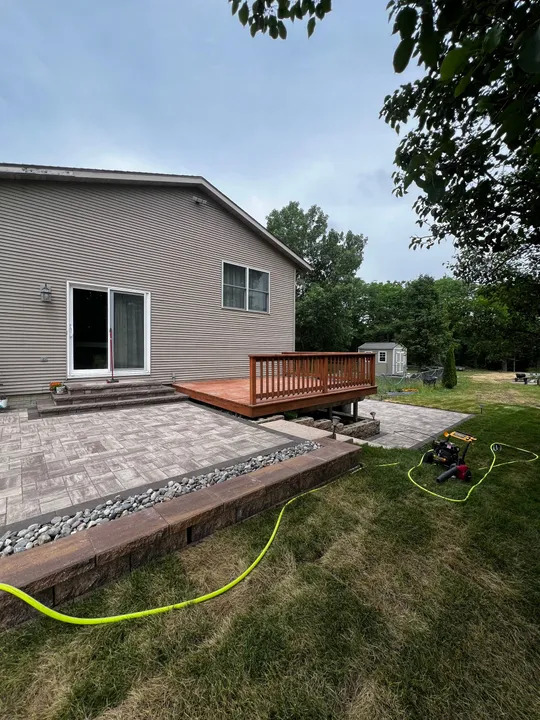
When we evaluate the requirements for Hardscaping And Landscaping In Adel, IA through a hypoallergenic lens, the vast expanse of the traditional lawn is the first element that must be addressed. Turf grass is a massive producer of airborne pollen, and the weekly act of mowing violently stirs up dust, mould spores, and particulate matter directly into the breathing zone. By replacing large, unnecessary sections of grass with expansive, beautifully laid stone patios, you instantly remove the largest allergen factory on the property. A wide, smooth terrace made of poured concrete or tightly jointed porcelain slabs requires absolutely no mowing, producing zero airborne debris while providing a stunning, clean surface for outdoor dining.
Managing the movement of air across the property is another highly effective tactic for allergy control. Airborne pollen from the surrounding neighbourhood is carried directly into your seating areas by the prevailing winds. We block this invisible intrusion by constructing solid, high-mass masonry walls along the windward boundaries of the yard. A thick brick or natural stone retaining wall acts as a physical shield, forcing the wind to deflect upward and carry the irritating particulates far above the heads of anyone sitting on the patio. This structural intervention creates a calm, protected pocket of clean air immediately around the primary living spaces.
The selection of planting materials in a hypoallergenic garden requires strict botanical discipline. Many common shade trees and decorative shrubs are wind-pollinated males, meaning they produce massive clouds of fine pollen. We strictly specify the planting of female cultivars, which produce zero pollen and actually help clear the air by trapping passing particulates on their broad leaves. Furthermore, we completely eliminate the use of shredded wood mulch in the planting beds. Wood mulch stays perpetually damp, creating the perfect breeding ground for mould spores that trigger severe allergic reactions. We replace this problematic material with washed river rock or decorative gravel, which dries rapidly and completely stops the growth of hazardous fungal spores.
Maintaining a low-allergen environment relies heavily on the ability to clean the surfaces regularly. A traditional yard is virtually impossible to wash. However, a garden designed with extensive stone surfaces and wide, paved pathways can be easily maintained with a simple garden hose. Rinsing down the stone patios, the masonry seating walls, and the gravel beds once a week physically washes any settled pollen down into the drainage system before it can become airborne again. This methodical, medically conscious approach to property design transforms a hostile, irritating yard into a genuinely safe, breathable haven where allergy sufferers can finally relax outdoors.
The benefits of this clean, structured exterior extend directly into the interior of the home. When a family spends time in a traditional, grass-heavy yard, they inevitably track thousands of microscopic pollen grains and mould spores back through the doors on their shoes and clothing. This cross-contamination quickly ruins the indoor air quality, making it impossible to find relief even inside the house. By ensuring that the immediate transition zones outside every door are constructed from smooth, easily cleaned paving stones, you create a necessary buffer. Guests and children walk across clean rock instead of damp, pollen-laden grass before entering, drastically reducing the amount of irritating material that crosses the threshold.
Conclusion
Suffering through seasonal allergies completely ruins your ability to enjoy your own backyard. By systematically replacing massive, pollen-producing lawns with clean stone patios, planting female cultivars, and blocking the wind with heavy masonry, you actively control the environment. This highly structured, medically conscious approach delivers a beautiful, breathable sanctuary that is entirely safe for your family.
Call to Action
Take control of your allergies and reclaim your outdoor living spaces this season. Contact our environmental design team today to build a stunning, hypoallergenic stone patio for your home.